Ontario’s Nuclear Energy Career Strategy

Opening pathways
to careers in
nuclear energy.

YAAACE’s Hire Learning approach connects education to employment, helping students build a place in Ontario’s nuclear energy sector.

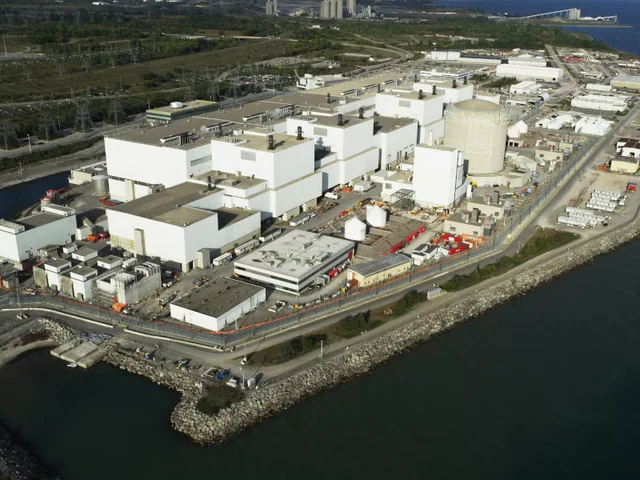
A nuclear generating station on Ontario’s waterfront, photographed in the supplied document.
48.2%of Ontario’s transmission-connected electricity output in 2025 came from nuclear energy.
25,000Student pathway target
over 10 years
15,000+Students already engaged
across priority sectors
5Hire Learning stages
from education to employment

01 / Ontario’s nuclear landscape

Nuclear powers nearly
half of Ontario’s grid.

In 2025, nuclear supplied 48.2% of electricity generated by resources connected to Ontario’s high-voltage grid.

The document highlights nuclear’s contribution during planned reactor refurbishment shutdowns. Its career strategy connects that energy landscape with education and workforce development.

2025 nuclear generation48.2%

Ontario’s transmission-connected electricity output

Independent Electricity System Operator

Ontario’s generation mix

2025 · transmission-connected resources

  • Nuclear48.2%
  • Hydro23.1%
  • Gas / oil19.3%
  • Wind8.7%

Biofuel, solar, and storage each contributed less than 1%. The PDF labels the 8.7% share as “Other”; IESO identifies it as wind. Read the IESO data (opens in a new tab) ↗

02 / International capacity

A global industry.
An Ontario opportunity.

The document compares operating and prospective nuclear capacity across selected countries. Figures are shown in gigawatts (GW), using the document’s 2026 comparison.

OperatingProspective

Scale: 0–200 GW

  1. China
    60.9 GW operating124.9 GW prospective
  2. United States
    102.5 GW operating15.4 GW prospective
  3. France
    65.7 GW operating9.9 GW prospective
  4. Russia
    28.6 GW operating32.2 GW prospective
  5. CanadaCanada in focus
    12.7 GW operating22.3 GW prospective
  6. India
    8.2 GW operating31.5 GW prospective
  7. South Korea
    27.1 GW operating5.6 GW prospective
  8. Ukraine
    13.8 GW operating8.4 GW prospective
  9. Japan
    13.3 GW operating6.6 GW prospective
  10. South Africa
    1.9 GW operating10.0 GW prospective
  11. Uganda
    Not specified operating18.0 GW prospective
  12. Poland
    Not specified operating15.6 GW prospective
  13. Kenya
    Not specified operating5.0 GW prospective
Canada’s prospective projects

The document’s 22.3 GW figure includes six nuclear plant refurbishments, four small modular reactors (SMRs), and 14 build-out projects.

View the capacity data as a table
Capacity figures reproduced from the document, in GW
CountryOperatingProspective
China60.9124.9
United States102.515.4
France65.79.9
Russia28.632.2
Canada12.722.3
India8.231.5
South Korea27.15.6
Ukraine13.88.4
Japan13.36.6
South Africa1.910.0
UgandaNot specified18.0
PolandNot specified15.6
KenyaNot specified5.0

Source cited in the PDF: Global Energy Monitor, 2026, modified visual. All 13 displayed countries are retained. Operating figures are not specified for Uganda, Poland, or Kenya. Prospective figures describe the projects listed in the document.

03 / Workforce projections

Careers that keep
the sector moving.

Ontario’s nuclear workforce spans engineering, skilled trades, technical services, and support roles.

The document presents 20 occupational projections for 2025–2050, citing the Canadian Nuclear Association’s 2026 workforce report.

Showing the first 6 of 20 projected occupation rows

  1. Power engineers and power systems operators61,769
  2. Mechanical engineers37,254
  3. Security guards and related security service occupations32,535
  4. Industrial electricians27,755
  5. Technical trades26,143
  6. Steamfitters, pipefitters, and sprinkler system installers22,574
View the remaining 14 occupation rows
  1. Carpenters22,289
  2. Ironworkers18,758
  3. Other technical trades18,595
  4. Chemical technologists and technicians15,212
  5. Engineering managers14,968
  6. Boilermakers14,968
  7. Supervisors, other products, manufacturing and assembly14,502
  8. Supervisors, manufacturer14,502
  9. Engineering managers13,198
  10. Electrical engineers12,455
  11. Electronic service technicians11,582
  12. Machinists, machining and tool inspectors10,081
  13. Construction trades helpers and labourers10,054
  14. Human resources professionals9,973

Figures are the document’s workforce projections. “Engineering managers” appears twice, at 14,968 and 13,198; both rows are retained. The supervisor labels are also reproduced as supplied.

04 / Ontario projects

Refurbishment.
New builds. New pathways.

The document connects nuclear refurbishment and new builds with opportunities in construction and long-term operations. The figures below reflect its project snapshot and projections.

Ontario’s refurbishment plan

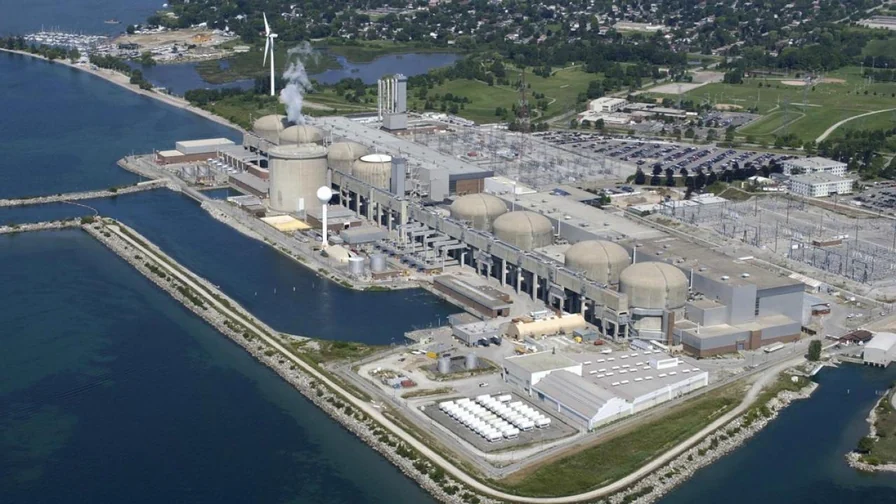
Aerial view of Pickering Nuclear Generating Station, from the supplied document.

Nuclear generating station

Pickering

8 total reactors4 under refurbishment in the PDF
Current operational careers
~3,000
Projected operations after refurbishment
~6,700
Projected construction careers
~30,500
Investment stated in the document
$26.8B

Projected operational and construction careers associated with refurbishment.
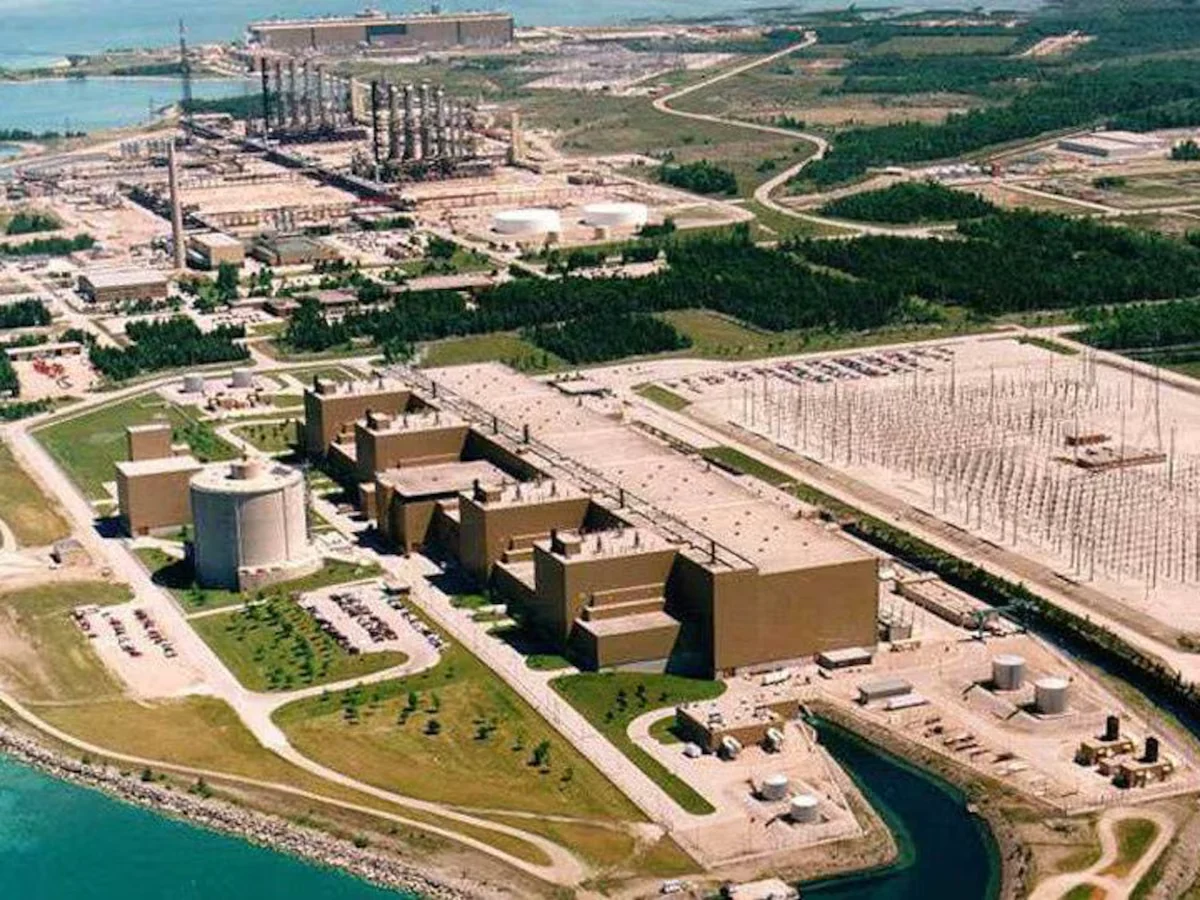
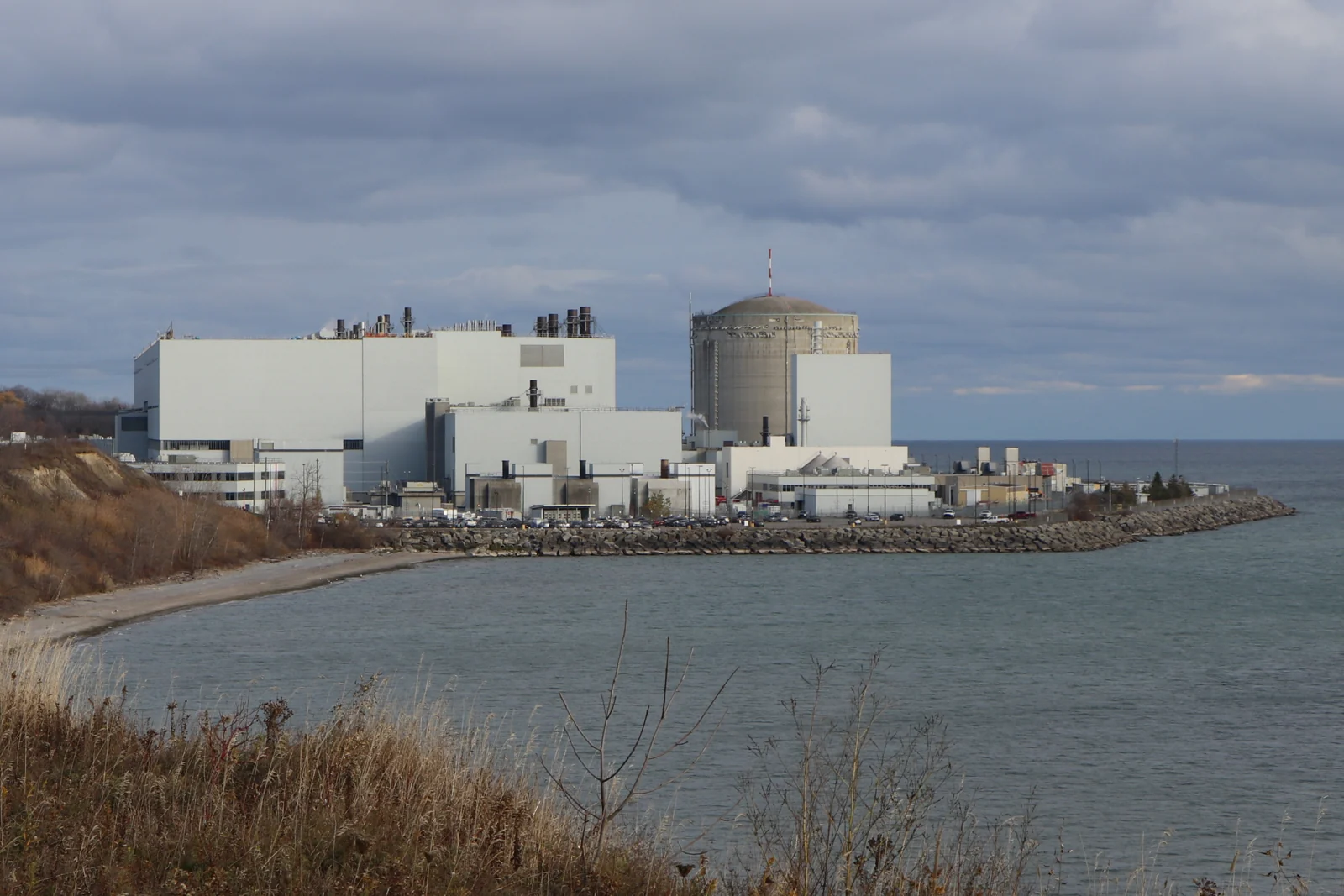
Bruce Nuclear Generating Station, from the supplied document.

Nuclear generating station

Bruce A & B

8 total reactors2 under refurbishment in the PDF
Current operational careers
~4,200
Projected operations after refurbishment
~9,200
Projected construction careers
~22,000
Investment stated in the document
$13B

The document also identifies a $250M medical isotope investment.

Aerial view of Darlington Nuclear Generating Station, from the supplied document.

Nuclear generating station

Darlington

4 total reactors0 under refurbishment in the PDF
Operational careers after refurbishment
~2,500
Published refurbishment cost (OPG)
$12.8B

Refurbishment is described as complete. The PDF lists $3B; OPG publishes $12.8B including interest and escalation, which is the figure shown here.

Ontario’s new builds

Projected construction and operations careers shown in the document.

10 reactors

Wesleyville

~10,500

Proposed site development

Province of Ontario

4 reactors

Bruce C

~15,900

Projected construction and operations careers

Bruce Power / Ontario Chamber of Commerce

4 SMR reactors

Darlington SMRs

~18,000

Projected construction and operations careers

Durham Post, as cited in the PDF
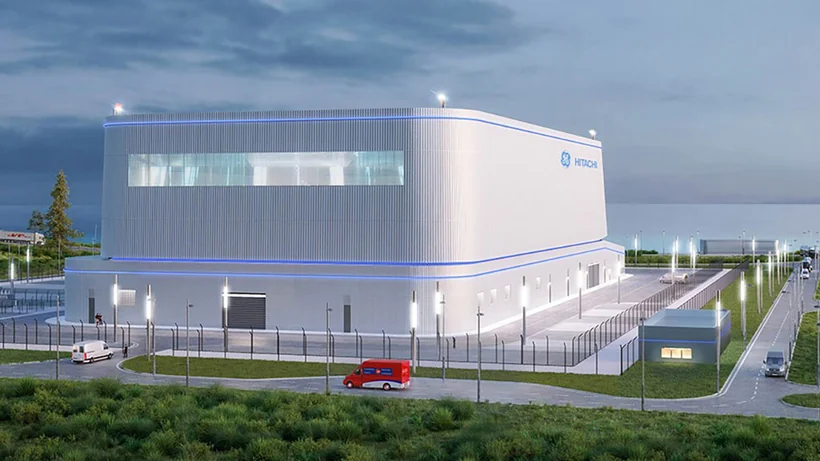
Nuclear facility rendering included in the document’s Ontario new-energy imagery.

Small modular reactors

A new part of
Ontario’s nuclear landscape.

The document identifies four SMRs at Darlington and connects the project with future career pathways.

Project sources cited in the PDF include the Province of Ontario, Bruce Power, Ontario Power Generation, the Toronto Star, and Durham Post. Career estimates cover different project scopes and time horizons. Read current Darlington project information (opens in a new tab) ↗

05 / Who we are

YAAACE: building
inclusive career pathways.

The Youth Association for Academics, Athletics and Character Education works with the Province of Ontario to connect students with careers in nuclear energy.

Through Hire Learning, YAAACE focuses particularly on Black, Indigenous, and equity-denied students, with an approach that connects education to employment.

The document sets a goal of reaching 25,000 students over 10 years through nuclear and related career pathways, describing that ambition as a 20% expansion of Ontario’s nuclear workforce.

Our 10-year student pathway target

25,000

Students in nuclear and related career pathways

15,000

Construction pathways

Including skilled trades and engineering

10,000

Operations pathways

Including long-term reactor operations and support

Economic estimates stated in the document

These figures describe the strategy’s stated economic ambition.

Annual GDP contribution
$7.5B
Cumulative national GDP contribution
$60B

The document does not provide a calculation method for the GDP estimates or a specific time horizon for the cumulative $60B figure.

06 / Why YAAACE

Hire Learning.
Education to employment.

YAAACE reports engaging more than 15,000 students across priority economic industries and sectors through Hire Learning.

Its Labour Market Intervention Strategy is delivered collaboratively with the Ministry of Citizenship and Multiculturalism through the Black Youth Action Plan.

The approach builds academic capacity early and connects students with education, workplace experience, and industry opportunities.

  1. Elementary & high school

    Career Foundations

    Build academic proficiency and introduce Hire Learning at the elementary and high school level.

  2. Postsecondary & sector exposure

    Career Launch

    Introduce students to postsecondary education and opportunities in the nuclear sector.

  3. Experience in the workplace

    Career Advance

    Connect learning with co-ops, internships, and job placements through work-integrated learning.

  4. Entrepreneurship

    Career Innovate

    Create a pathway to entrepreneurship and participation in emerging industries.

  5. Events & industry connections

    Career Connect

    Bring students into experiential learning through summits, forums, and conferences.

Connect with YAAACE.

Learn more about programs and education-to-employment pathways.

Visit YAAACE (opens in a new tab)

07 / Read further

Explore the source material.

The page is based on the supplied Website_Kurtis document. These links lead to the organizations and reports cited in its energy and workforce discussion.

Student numbers for the nuclear strategy are targets. GDP and career figures are stated estimates or projections. The existing 15,000+ student engagement figure covers priority sectors broadly. Project figures reproduce the PDF’s snapshot; the linked organizations provide their own updates.